Pages


Senin, 24 Desember 2012

Ehrlichiosis

1 komentar
Ehrlichiosis

Definition:
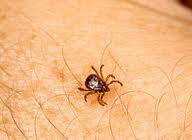
Ehrlichiosis

Ehrlichiosis is a bacterial illness transmitted by ticks that causes flu-like symptoms. The signs and symptoms of ehrlichiosis range from mild body aches to severe fever and usually appear within a week or two of a tick bite. If treated quickly with appropriate antibiotics, ehrlichiosis generally improves within a few days.

Another tick-borne infection — anaplasmosis — is closely related to ehrlichiosis. But the two have distinct differences and are caused by different microorganisms.
The best way to prevent these infections is to avoid tick bites. Tick repellents, thorough body checks after being outside and proper removal of ticks give you the best chance of avoiding ehrlichiosis.


Symptoms:

If a tick carrying the bacterium that causes ehrlichiosis has been feeding on you for at least 24 hours, the following flu-like signs and symptoms may appear within five to 14 days of the bite:
  • Mild fever
  • Headache
  • Chills
  • Muscle aches
  • Nausea
  • Vomiting
  • Diarrhea
  • Joint pain
  • Confusion
  • Rash
  • Cough
Some people infected with ehrlichiosis may have symptoms so mild that they never seek medical attention, and the body fights off the illness on its own. But untreated ehrlichiosis with persistent symptoms can result in an illness serious enough to require hospitalization.

When to see a doctor
It may take 14 days after a tick bite for you to begin showing signs and symptoms of ehrlichiosis. If you get symptoms within two weeks of a tick bite, see your doctor. If you experience any of the above symptoms soon after you've been in an area known to have ticks, see your doctor. Be sure to tell your doctor that you recently received a tick bite or visited an area with a high population of ticks.


Causes:

Ehrlichiosis is caused by Ehrlichia chaffeensis bacteria and is transmitted primarily by the Lone Star tick.

Ticks feed on blood, latching onto a host and feeding until they're swollen to many times their normal size. During feeding, ticks that carry disease-producing bacteria can transmit the bacteria to a healthy host. Or they may pick up bacteria themselves if the host, such as a white-tailed deer or a coyote, is infected.

Usually, to get ehrlichiosis, you must be bitten by an infected tick. The bacteria enter your skin through the bite and eventually make their way into your bloodstream.

Before bacteria can be transmitted, a tick must be attached and feeding for at least 24 hours. An attached tick with a swollen appearance may indicate that the tick has been feeding long enough to have transmitted bacteria. Removing ticks as soon as possible may prevent infection.

It's also possible that ehrlichiosis may be transmitted through blood transfusions, from mother to fetus and through direct contact with an infected, slaughtered animal.


Complications:

Ehrlichiosis can have serious effects on an otherwise healthy adult or child if you don't seek prompt treatment.
People with weakened immune systems are at an even higher risk of more-serious and potentially life-threatening consequences. Serious complications of untreated infection include:
  • Kidney failure
  • Respiratory failure
  • Heart failure
  • Seizures
  • Coma

Treatments and drugs:

If your doctor suspects that you have ehrlichiosis or another tick-borne illness, you'll likely receive a prescription for the antibiotic doxycycline (Doryx, Periostat, others). You'll generally take the antibiotic for seven to 10 days and should see signs and symptoms begin to subside within two days. Your doctor may have you take antibiotics for a longer period if you're severely ill.

If you're pregnant, your doctor may prescribe the antibiotic rifampin (Rifadin, Rimactane) instead, because doxycycline isn't recommended during pregnancy.
Read more...

Ehlers-Danlos syndrome

1 komentar
Ehlers-Danlos syndrome

Definition:
Ehlers-Danlos syndrome

Ehlers-Danlos syndrome is a group of inherited disorders that affect your connective tissues — primarily your skin, joints and blood vessel walls. Connective tissue is a complex mixture of proteins and other substances that provides strength and elasticity to the underlying structures in your body.

People who have Ehlers-Danlos syndrome usually have overly flexible joints and stretchy, fragile skin. This can become a problem if you have a wound that requires stitches, because the skin often isn't strong enough to hold them.

A more severe form of the disorder, called vascular Ehlers-Danlos syndrome, can cause the walls of your blood vessels, intestines or uterus to rupture. If you have vascular Ehlers-Danlos syndrome, you may want to talk to a genetic counselor before starting a family.

Symptoms:

Signs and symptoms of the most common form of Ehlers-Danlos syndrome include:
  • Overly flexible joints. Because the connective tissue that holds joints together is looser, your joints can move far past the normal range of motion. Small joints are affected more than large joints. You might also be able to touch the tip of your nose with your tongue.
  • Stretchy skin. Weakened connective tissue allows your skin to stretch much more than usual. You may be able to pull a pinch of skin up away from your flesh, but it will snap right back into place when you let go. Your skin might also feel exceptionally soft and velvety.
  • Fragile skin. Damaged skin often doesn't heal well. For example, the stitches used to close a wound often will tear out and leave a gaping scar. These scars may look thin and crinkly.
  • Fatty lumps at pressure points. These small, harmless growths can occur around the knees or elbows and may show up on X-rays.
Symptom severity can vary from person to person. Some people with Ehlers-Danlos syndrome will have overly flexible joints but few or none of the skin symptoms.

Vascular Ehlers-Danlos syndrome
People who have the vascular subtype of Ehlers-Danlos syndrome often share distinctive facial features of a thin nose, thin upper lip, small earlobes and prominent eyes. They also have thin, translucent skin that bruises very easily. In fair-skinned people, the underlying blood vessels are very visible through the skin.

One of the most severe forms of the disorder, vascular Ehlers-Danlos syndrome can weaken your heart's largest artery (aorta), as well as the arteries to your kidneys and spleen. A rupture of any of these blood vessels can be fatal. The vascular subtype also can weaken the walls of the uterus or large intestines — which may also rupture.

Causes:

Different subtypes of Ehlers-Danlos syndrome are associated with a variety of genetic causes, some of which are inherited and passed on from parent to child.
If you have some subtypes of Ehlers-Danlos syndrome, such as the vascular variety, there's a 50 percent chance that you'll pass the gene on to each of your children.


Complications:

Complications depend on the types of signs and symptoms you have. For example, overly flexible joints can result in joint dislocations and early-onset arthritis. Fragile skin may develop prominent scarring.

People who have vascular Ehlers-Danlos syndrome are at risk of often fatal ruptures of major blood vessels. Some organs, such as the uterus and intestines, also may rupture. Pregnancy can increase these risks.


Treatments and drugs:

There is no cure for Ehlers-Danlos syndrome, but treatment can help you manage your symptoms and prevent further complications.
Medications
Your doctor may prescribe drugs to help you control:
  • Pain. If over-the-counter pain relievers — such as ibuprofen (Advil, Motrin IB, others) and naproxen (Aleve) — aren't enough, your doctor may prescribe stronger medications for your joint or muscle pain.
  • Blood pressure. Because blood vessels are more fragile in some types of Ehlers-Danlos syndrome, your doctor may want to reduce the stress on the vessels by keeping your blood pressure low.
Physical therapy
Joints with weak connective tissue are more likely to dislocate. Exercises to strengthen the muscles around a joint can help stabilize the joint. Your physical therapist might also recommend specific braces to help prevent joint dislocations.
Surgical and other procedures
In rare cases, surgery is recommended to repair joints damaged by repeated dislocations. However, your skin and the connective tissue of the affected joint may not heal properly after the surgery.
Read more...

Egg allergy

1 komentar
Egg allergy

Definition:
Egg allergy

Eggs are one of the most common allergy-causing foods in children. Egg allergy symptoms usually occur a few minutes to a few hours after eating eggs or foods containing eggs. Signs and symptoms range from mild to severe and can include skin rashes, hives, nasal inflammation, and vomiting or other digestive problems.

Rarely, egg allergy can cause anaphylaxis — a life-threatening reaction. Egg allergy can occur as early as infancy. Most children outgrow their egg allergy before adolescence. But in some cases, it continues into adulthood.

Symptoms:

Egg allergy reactions vary from person to person and usually occur soon after exposure to egg. Egg allergy symptoms can include:
  • Skin inflammation or hives — the most common egg allergy reaction
  • Allergic nasal inflammation (allergic rhinitis)
  • Digestive (gastrointestinal) symptoms, such as cramps, nausea and vomiting
  • Asthma signs and symptoms such as coughing, chest tightness or shortness of breath
Anaphylaxis
A severe allergic reaction can lead to anaphylaxis, a life-threatening emergency that requires an immediate epinephrine (adrenaline) shot and a trip to the emergency room. Anaphylaxis signs and symptoms include:
  • Constriction of airways, including a swollen throat or a lump in your throat that makes it difficult to breathe
  • Abdominal pain and cramping
  • Rapid pulse
  • Shock, with a severe drop in blood pressure felt as dizziness, lightheadedness or loss of consciousness
If you or your child has a reaction to eggs, discuss this with a doctor no matter how mild it may have been. The severity of egg allergy reactions can vary each time one occurs. This means that even if you or your child had a mild reaction in the past, the next reaction could be more serious.
If your doctor thinks you or your child may be at risk of a severe reaction, the doctor may prescribe an emergency epinephrine shot to be used if anaphylaxis occurs. The shot comes in a device that makes it easy to deliver, called an autoinjector.

When to see a doctor
See a doctor if you or your child has signs or symptoms of a food allergy shortly after eating eggs or a product that contains eggs. If possible, see the doctor when the allergic reaction is occurring. This may help in making a diagnosis.
If you or your child has signs and symptoms of anaphylaxis, seek immediate emergency treatment and use an autoinjector if one has been prescribed.

Causes:

All food allergies are caused by an immune system overreaction. The immune system mistakenly identifies certain egg proteins as harmful. When you or your child comes in contact with egg proteins, immune system cells (antibodies) recognize them and signal the immune system to release histamine and other chemicals that cause allergic signs and symptoms.
Both egg yolks and egg whites contain proteins that can cause allergies, but allergy to egg whites is most common. It's possible for breast-fed infants to have an allergic reaction to egg proteins in breast milk if the mother consumes eggs.

Complications:

The most significant complication of egg allergy is having a severe allergic reaction requiring an epinephrine injection and emergency treatment.
The same immune system reaction that causes egg allergy can also cause other conditions. If you or your child has an egg allergy, you or your child may be at increased risk of:
  • Allergies to other foods, such as milk, soy or peanuts
  • Hay fever — an allergic reaction to pet dander, dust mites or grass pollen
  • Allergic skin reactions such as atopic dermatitis
  • Asthma, which in turn increases the risk of having a severe allergic reaction to eggs or other foods

Treatments and drugs:

There's no medication or other treatment that can cure an egg allergy or prevent someone with a food allergy from having an allergic reaction. The only way to prevent egg allergy symptoms is to avoid eggs or egg products. This can be difficult, as eggs are a common food ingredient. However, you may find that you or your child can tolerate eggs that have been cooked into foods, such as when they are an ingredient in baked goods.

Antihistamines to ease symptoms
Despite your best efforts, you or your child may still come into contact with eggs. Medications, such as antihistamines, may reduce signs and symptoms of a mild egg allergy. These drugs can be taken after exposure to eggs. But, they aren't effective for preventing an allergic egg reaction or for treating a severe reaction.

Emergency epinephrine shots
If you or your child is at risk of a severe reaction, you may need to carry an emergency epinephrine injector (EpiPen, EpiPen Jr, Twinject) at all times. If you or your child develops anaphylaxis after egg exposure, you or your child will need an emergency epinephrine shot and a trip to the emergency room. Even if anaphylaxis symptoms improve, you or your child will need to remain under medical supervision for a period of time to be sure severe symptoms don't return.

If you or your child does have an autoinjector, be sure it's always available. Learn how to use it properly. If your child has one, make sure caregivers have access to it and know how to use it. If your child is old enough, make sure he or she also understands how to use it. Replace the autoinjector before its expiration date. Otherwise, it may not work properly.

There's no cure for egg allergy, but most children will eventually outgrow it. Talk to your child's doctor about how often he or she should be tested to see whether eggs still cause symptoms. This may be yearly, or on another schedule depending on your child's symptoms and the doctor's recommendations. It may be unsafe for you to test your child's reaction to eggs at home, particularly if your child has had a severe reaction to eggs in the past.
Read more...

Edema

1 komentar
Edema

Definition:
Edema

Edema is swelling caused by excess fluid trapped in your body's tissues. Although edema can affect any part of your body, it's most commonly noticed in your hands, arms, feet, ankles and legs.
Edema can be the result of medication, pregnancy or an underlying disease — often heart failure, kidney disease or cirrhosis of the liver.

Taking medication to remove excess fluid and reducing the amount of salt in your food usually relieves edema. When edema is a sign of an underlying disease, the disease itself requires separate treatment.


Symptoms:

Signs and symptoms of edema include:
  • Swelling or puffiness of the tissue directly under your skin
  • Stretched or shiny skin
  • Skin that retains a dimple after being pressed for several seconds
  • Increased abdominal size
When to see a doctor
Make an appointment to see your doctor if you have swelling, stretched or shiny skin, or skin that retains a dimple after being pressed. Seek immediate medical attention if you experience:
  • Shortness of breath
  • Difficulty breathing
  • Chest pain

Definition:

Edema is swelling caused by excess fluid trapped in your body's tissues. Although edema can affect any part of your body, it's most commonly noticed in your hands, arms, feet, ankles and legs.
Edema can be the result of medication, pregnancy or an underlying disease — often heart failure, kidney disease or cirrhosis of the liver.

Taking medication to remove excess fluid and reducing the amount of salt in your food usually relieves edema. When edema is a sign of an underlying disease, the disease itself requires separate treatment.


Complications:

If left untreated, edema can cause:
  • Increasingly painful swelling
  • Difficulty walking
  • Stiffness
  • Stretched skin, which can become itchy and uncomfortable
  • Increased risk of infection in the swollen area
  • Scarring between layers of tissue
  • Decreased blood circulation
  • Decreased elasticity of arteries, veins, joints and muscles
  • Increased risk of skin ulcers

Treatments and drugs:

 Mild edema usually goes away on its own, particularly if you help things along by raising the affected limb higher than your heart. More severe edema may be treated with drugs that help your body expel excess fluid in the form of urine. One of the most common diuretics is furosemide (Lasix). Long-term management typically focuses on treating the underlying cause of the swelling.
Read more...

Ectropion

0 komentar
Ectropion

Definition:
Ectropion

Ectropion (ek-TROH-pee-on) is a condition in which your eyelid — typically the lower lid — turns out, leaving the inner eyelid surface exposed and prone to irritation. Ectropion occurs mainly in older adults. In severe ectropion, the entire length of the eyelid is turned out. When ectropion is less severe, only one segment of the eyelid sags away from the eye.

Artificial tears can help relieve the symptoms caused by ectropion until you can have surgery to correct the condition.


Symptoms:

Normally when you blink, your eyelids distribute tears evenly across your eyes, keeping them lubricated. These tears drain into the little openings on the inner part of your eyelids (puncta). When you have ectropion, your lower lid pulls away from your eye and tears don't drain into the puncta properly, causing a number of signs and symptoms:
  • Irritation. Stagnant tears or dryness can irritate your eyes, causing a burning sensation and redness in your eyelids and the whites of your eyes.
  • Excessive tearing. Without proper drainage, your tears may pool and constantly flow over your eyelids. Many people with ectropion complain of watery or weepy eyes.
  • Excessive dryness. Ectropion can cause your eyes to feel dry, gritty and sandy.
When to see a doctor
If you begin noticing that your eyes are constantly watering or irritated, or your eyelid seems to be sagging or drooping, make an appointment to see your doctor for an evaluation.
If you know that you have ectropion, be alert for symptoms of cornea exposure or ulcers, including rapidly increasing redness, pain, light sensitivity or decreasing vision. If you experience any of these vision-threatening signs and symptoms, seek immediate care in an emergency room.


Causes:

Ectropion can have several different causes, including:
  • Muscle weakness. As you age, the muscles under your eyes tend to get weaker as the tendons stretch out. These muscles and tendons are responsible for holding your eyelid taut against your eye, so when they relax, the eyelid can begin to droop and turn outward.
  • Facial paralysis. When some of the facial nerves and muscles are paralyzed, as with Bell's palsy and some types of tumors, it can affect the eyelid muscles and cause ectropion.
  • Scars or skin problems. Scarred skin from facial burns or trauma, such as a dog bite or lacerations, can affect the way that the eyelid rests against the eye.
  • Eyelid growths. Benign or cancerous growths on your eyelid can cause the lid to turn outward.
  • Previous surgery, radiation or cosmetic procedures. Previous eyelid surgery (blepharoplasty) can cause ectropion to develop later, particularly if too much skin from the eyelid was removed at the time of surgery. Radiation of your eyelid for a cancerous growth can trigger ectropion to develop. Even cosmetic laser skin resurfacing can shrink your eyelid too much, pulling it away from your eye and causing ectropion.
  • Rapid weight loss. Sometimes, losing weight very quickly can cause ectropion.
  • Congenital ectropion. Rarely, ectropion is present at birth (congenital), when it is usually associated with genetic disorders, such as Down syndrome.
Complications:

 The most serious complications associated with ectropion are irritation and damage of the cornea. Because ectropion leaves your cornea irritated and exposed, it's more susceptible to drying. This can lead to corneal abrasions and ulcers, which in turn can cause permanent loss of vision. Lubricating eyedrops and ointments can help to protect your cornea and prevent damage until your ectropion is corrected.

Treatments and drugs:

Eyedrops and ointments can be used to manage symptoms and protect your cornea until a permanent treatment is done. Most cases of ectropion require surgery.

Scar tissue stretching
This treatment can be considered if your ectropion is caused by a developing scar that's tightening or pulling on your skin. Massaging the scar tissue, injecting it with steroids or doing both may help to modify the scar and relieve the ectropion. However, this method may not be effective.

Surgery
There are several different surgical techniques for ectropion, depending on the cause and the condition of the tissue surrounding your eyelid. Before the surgery, you'll receive a local anesthetic to numb your eye and the area around it. You may be lightly sedated using oral or intravenous (IV) medication to make you more comfortable, depending on the type of procedure you're having and whether or not the surgery is performed in an outpatient surgical clinic.

If your ectropion is caused by muscle and ligament relaxation due to aging, your surgeon will likely remove a small part of your lower eyelid, which tightens the tendons and muscles of the lid. You'll have a few stitches on the outside corner of your eye or just below your lower eyelid. In general, this procedure is relatively simple and will be the only surgery you need.

If you have scar tissue from an injury or previous surgery, the surgeon may need to use a skin graft, taken from your upper eyelid or behind your ear, to help support the lower lid. If you have facial paralysis or significant scarring, the outcome of surgery is less predictable, and more than one procedure may be necessary before your ectropion is completely resolved.

Following your surgery, you may need to wear an eye patch for 24 hours, and then to use an antibiotic and steroid ointment on your eye several times a day for one week. You may also use cold compresses periodically to decrease bruising and swelling, as well as acetaminophen (Tylenol, others) for pain. Avoid drugs containing aspirin, because they can increase the risk of bleeding.

At first your eyelid might feel tight, but as you heal it will become more comfortable. Most people say that their ectropion symptoms are relieved immediately after surgery. You will get your stitches removed about a week after your surgery, and you can expect the swelling and bruising to fade in about two weeks.

Although uncommon, bleeding or infection are possible risks of surgery. You will likely experience temporary swelling, and your lid tissues may be somewhat bruised after surgery.
Read more...

Ectopic pregnancy

0 komentar
Ectopic pregnancy

Definition:
Ectopic pregnancy

Pregnancy begins with a fertilized egg. Normally, the fertilized egg attaches itself to the lining of the uterus. With an ectopic pregnancy, the fertilized egg implants somewhere outside the uterus.

An ectopic pregnancy typically occurs in one of the tubes that carry eggs from the ovaries to the uterus (fallopian tubes). This type of ectopic pregnancy is known as a tubal pregnancy. In some cases, however, an ectopic pregnancy occurs in the abdominal cavity, ovary or neck of the uterus (cervix).

An ectopic pregnancy can't proceed normally. The fertilized egg can't survive, and the growing tissue might destroy various maternal structures. Left untreated, life-threatening blood loss is possible. Early treatment of an ectopic pregnancy can help preserve the chance for future healthy pregnancies.

Symptoms:

At first, an ectopic pregnancy might not cause any signs or symptoms. In other cases, early signs and symptoms of an ectopic pregnancy might be the same as those of any pregnancy — a missed period, breast tenderness and nausea. If you take a pregnancy test, the result will be positive. Still, an ectopic pregnancy can't continue as normal.

Abdominal or pelvic pain and light vaginal bleeding are often the first warning signs of an ectopic pregnancy. If blood leaks from the fallopian tube, it's also possible to feel shoulder pain or an urge to have a bowel movement — depending on where the blood pools or which nerves are irritated. Heavy vaginal bleeding is unlikely, unless the ectopic pregnancy occurs in the cervix.
If the fallopian tube ruptures, heavy bleeding inside the abdomen is likely — followed by lightheadedness, fainting and shock.

When to see a doctor
Seek emergency medical help if you experience any signs or symptoms of an ectopic pregnancy, including:
  • Severe abdominal or pelvic pain accompanied by vaginal bleeding
  • Extreme lightheadedness or fainting
Causes:
 A tubal pregnancy — the most common type of ectopic pregnancy — happens when a fertilized egg gets stuck on its way to the uterus, often because the fallopian tube is inflamed, damaged or misshapen. Hormonal imbalances or abnormal fetal development might also play a role. Sometimes, the specific cause of an ectopic pregnancy remains a mystery.


Complications:

 When you have an ectopic pregnancy, the stakes are high. Without treatment, a ruptured fallopian tube could lead to life-threatening bleeding

Treatments and drugs:

A fertilized egg can't develop normally outside the uterus. To prevent life-threatening complications, the ectopic tissue must be removed.

If the ectopic pregnancy is detected early, an injection of the drug methotrexate is sometimes used to stop cell growth and dissolve existing cells. After the injection, your doctor will monitor your blood for the pregnancy hormone human chorionic gonadotropin (HCG). If the HCG level remains high, you might need another injection of methotrexate.

In other cases, ectopic pregnancy is treated with laparoscopic surgery. In this procedure, a small incision is made in the abdomen, near or in the navel. Then your doctor uses a thin tube equipped with a camera lens and light (laparoscope) to view the area. Other instruments can be inserted into the tube or through other small incisions to remove the ectopic tissue and repair the fallopian tube. If the fallopian tube is significantly damaged, it might need to be removed.

If the ectopic pregnancy is causing heavy bleeding or the fallopian tube has ruptured, you might need emergency surgery through an abdominal incision (laparotomy). In some cases, the fallopian tube can be repaired. Typically, however, a ruptured tube must be removed.
In a few cases, an injection of methotrexate is needed after surgery.
Read more...

Eating disorders

1 komentar
Eating disorders

Definition:
Eating disorders

Eating disorders are a group of serious conditions in which you're so preoccupied with food and weight that you can often focus on little else. The main types of eating disorders are anorexia nervosa, bulimia nervosa and binge-eating disorder.

Eating disorders can cause serious physical problems and, at their most severe, can even be life-threatening. Most people with eating disorders are females, but males can also have eating disorders. An exception is binge-eating disorder, which appears to affect almost as many males as females.

Treatments for eating disorders usually involve psychotherapy, nutrition education, family counseling, medications and hospitalization.

Symptoms:

Eating disorders symptoms vary with the particular type of eating disorder.

Anorexia nervosa
When you have anorexia nervosa (an-o-REK-see-uh nur-VOH-suh), you're obsessed with food and being thin, sometimes to the point of deadly self-starvation.
Anorexia signs and symptoms may include:
  • Refusal to eat and denial of hunger
  • An intense fear of gaining weight
  • A negative or distorted self-image
  • Excessive exercise
  • Flat mood or lack of emotion
  • Irritability
  • Fear of eating in public
  • Preoccupation with food
  • Social withdrawal
  • Thin appearance
  • Trouble sleeping
  • Soft, downy hair present on the body (lanugo)
  • Menstrual irregularities or loss of menstruation (amenorrhea)
  • Constipation
  • Abdominal pain
  • Dry skin
  • Frequently being cold
  • Irregular heart rhythms
  • Low blood pressure
  • Dehydration
Bulimia nervosa
When you have bulimia, you have episodes of bingeing and purging. During these episodes, you typically eat a large amount of food in a short duration and then try to rid yourself of the extra calories through vomiting or excessive exercise. You may be at a normal weight or even a bit overweight.
Bulimia signs and symptoms may include:
  • Eating until the point of discomfort or pain, often with high-fat or sweet foods
  • Self-induced vomiting
  • Laxative use
  • Excessive exercise
  • An unhealthy focus on body shape and weight
  • A distorted, excessively negative body image
  • Low self-esteem
  • Going to the bathroom after eating or during meals
  • A feeling that you can't control your eating behavior
  • Abnormal bowel functioning
  • Damaged teeth and gums
  • Swollen salivary glands in the cheeks
  • Sores in the throat and mouth
  • Dehydration
  • Irregular heartbeat
  • Sores, scars or calluses on the knuckles or hands
  • Menstrual irregularities or loss of menstruation (amenorrhea)
  • Constant dieting or fasting
  • Possibly, drug or alcohol abuse
Binge-eating disorder
When you have binge-eating disorder, you regularly eat excessive amounts of food (binge), but don't try to compensate for this behavior with exercise or purging as someone with bulimia or anorexia might. You may eat when you're not hungry and continue eating even long after you're uncomfortably full. After a binge, you may feel guilty or ashamed, which can trigger a new round of bingeing. You may be a normal weight, overweight or obese.
Symptoms of binge-eating disorder may include:
  • Eating to the point of discomfort or pain
  • Eating much more food during a binge episode than during a normal meal or snack
  • Eating faster during binge episodes
  • Feeling that your eating behavior is out of control
  • Frequently eating alone
  • Feeling depressed, disgusted or upset over the amount eaten
When to see a doctor
Because of its powerful pull, an eating disorder can be difficult to manage or overcome by yourself. Eating disorders can virtually take over your life. You may think about food all the time, spend hours agonizing over what to eat and exercise to exhaustion. You may feel ashamed, sad, hopeless, drained, irritable and anxious. You may also have a host of physical problems because of your eating disorder, such as irregular heartbeats, fatigue, and bowel or menstrual troubles. If you're experiencing any of these problems, or if you think you may have an eating disorder, seek medical help.

Urging a loved one to seek treatment
Unfortunately, many people with eating disorders resist treatment. If you have a loved one you're worried about, urge him or her to talk to a doctor. Even if your loved one isn't ready to acknowledge having an issue with food, you may be able to open the door by expressing concern and a desire to listen. If you're concerned your child may have an eating disorder, contact his or her doctor about your concerns. You can get a referral to qualified mental health providers for treatment.

Keep in mind, however, that in children it's sometimes hard to tell what's an eating disorder and what's simply a whim, a new fad, or experimentation with a vegetarian diet or other eating styles. In addition, many girls and sometimes boys go on diets to lose weight, but stop dieting after a short time. If you're a parent or guardian, be careful not to mistake occasional dieting with an eating disorder. On the other hand, be alert for eating patterns and beliefs that may signal unhealthy behavior, as well as peer pressure that may trigger eating disorders.

Red flags that may indicate an eating disorder include:
  • Skipping meals
  • Making excuses for not eating
  • Eating only a few certain "safe" foods, usually those low in fat and calories
  • Adopting rigid meal or eating rituals, such as cutting food into tiny pieces or spitting food out after chewing
  • Cooking elaborate meals for others, but refusing to eat them themselves
  • Collecting recipes
  • Withdrawing from normal social activities
  • Persistent worry or complaining about being fat
  • A distorted body image, such as complaining about being fat despite being underweight
  • Not wanting to eat in public
  • Frequent checking in the mirror for perceived flaws
  • Wearing baggy or layered clothing
  • Repeatedly eating large amounts of sweet or high-fat foods
  • Use of syrup of ipecac, laxatives, the over-the-counter weight-loss drug orlistat (Alli), or over-the-counter drugs that can cause fluid loss, such as menstrual symptom relief medications
  • Use of dietary supplements or herbal products for weight loss
  • Food hoarding
  • Leaving during meals to use the toilet
  • Eating in secret

Causes:


The exact cause of eating disorders is unknown. As with other mental illnesses, there may be many causes. Possible causes of eating disorders include:
  • Biology. There may be genes that make certain people more vulnerable to developing eating disorders. People with first-degree relatives — siblings or parents — with an eating disorder may be more likely to develop an eating disorder, too, suggesting a possible genetic link. In addition, there's some evidence that serotonin, a naturally occurring brain chemical, may influence eating behaviors.
  • Psychological and emotional health. People with eating disorders may have psychological and emotional problems that contribute to the disorder. They may have low self-esteem, perfectionism, impulsive behavior and troubled relationships.
  • Society. The modern Western cultural environment often cultivates and reinforces a desire for thinness. Success and worth are often equated with being thin in popular culture. Peer pressure and what people see in the media may fuel this desire to be thin, particularly among young girls.
Complications:

Eating disorders cause a wide variety of complications, some of them life-threatening. The more severe or long lasting the eating disorder, the more likely you are to experience serious complications. Complications may include:
  • Death
  • Heart problems
  • Multiple organ failure
  • Depression
  • Suicidal thoughts or behavior
  • Absence of menstruation (amenorrhea)
  • Bone loss
  • Stunted growth
  • Digestive problems
  • Kidney damage
  • Severe tooth decay
  • High or low blood pressure

Treatments and drugs:

Eating disorder treatment depends on your specific type of eating disorder. But in general, it typically includes psychotherapy, nutrition education and medication. If your life is at risk, you may need immediate hospitalization.

Psychotherapy
Individual psychotherapy can help you learn how to exchange unhealthy habits for healthy ones. You learn how to monitor your eating and your moods, develop problem-solving skills, and explore healthy ways to cope with stressful situations. Psychotherapy can also help improve your relationships and your mood. A type of psychotherapy called cognitive behavioral therapy is commonly used in eating disorder treatment, especially for bulimia nervosa and binge-eating disorder. Group therapy also may be helpful for some people.

Family-based therapy is the only effective treatment for children and adolescents with eating disorders. This type of therapy begins with the assumption that the person with the eating disorder is no longer capable of making sound decisions regarding his or her health and needs help from the family. An important part of family-based therapy is that your family is involved in making sure that your child or other family member is following healthy-eating patterns and is restoring weight. This type of therapy can help encourage support from concerned family members.


Weight restoration and nutrition education
If you're underweight due to an eating disorder, the first goal of treatment will be to start getting you back to a healthy weight. No matter what your weight, dietitians and other health care providers can give you information about a healthy diet and help design an eating plan that can help you achieve a healthy weight and instill normal-eating habits. If you have binge-eating disorder, you may benefit from medically supervised weight-loss programs.

Hospitalization
If you have serious health problems or if you have anorexia and refuse to eat or gain weight, your doctor may recommend hospitalization. Hospitalization may be on a medical or psychiatric ward. Some clinics specialize in treating people with eating disorders. Some may offer day programs, rather than full hospitalization. Specialized eating disorder programs may offer more intensive treatment over longer periods of time.

Medications
Medication can't cure an eating disorder. However, medications may help you control urges to binge or purge or to manage excessive preoccupations with food and diet. Medications such as antidepressants and anti-anxiety medications may also help with symptoms of depression or anxiety, which are frequently associated with eating disorders.
Read more...